Shabbat Shalom! Bereisheet | Genesis 1:1-6:8
We are excited to introduce a new Shabbat Shalom titled “Ancient Wisdom, Modern Questions” with your hosts Shmuel Junger and Kimberly Troup!

We are excited to introduce a new Shabbat Shalom titled “Ancient Wisdom, Modern Questions” with your hosts Shmuel Junger and Kimberly Troup!
Almost 3,000 years ago, the ancient city of Dothan was the setting for a most miraculous demonstration of God’s protection for His people and specifically, His prophets.

In this special conversation from the sukkah, Shmuel sits down with Frank van Oordt , director of Christians for Israel (C4I) in the Netherlands, to discuss the dramatic new developments surrounding Israel and the Netherlands.
Something significant is happening in Europe, and it deserves a serious conversation.

The weekly Torah portion is suspended this week as we celebrate Rosh Hashanah.
Jews often refer to this time of year as the High Holy Days. It is a time that includes the Jewish New Year and the Day of Atonement.
There’s a famous saying that “you don’t know what you’ve got until it’s gone.”
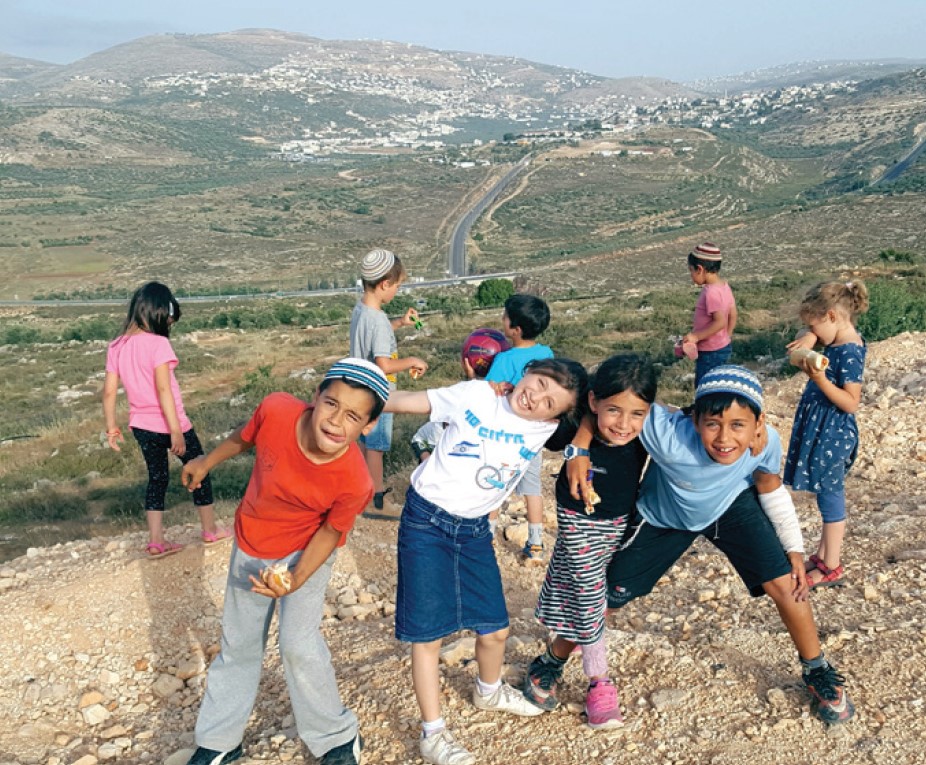
Portion Re’eh details the covenant between the Children of Israel and God. Importantly, this portion mentions mentions the “place that God chose.” What is this place? Jerusalem of course!
Just under 3,300 years ago, the ancient city of Anatot was selected to serve as a center of spirituality in the Land of Israel.