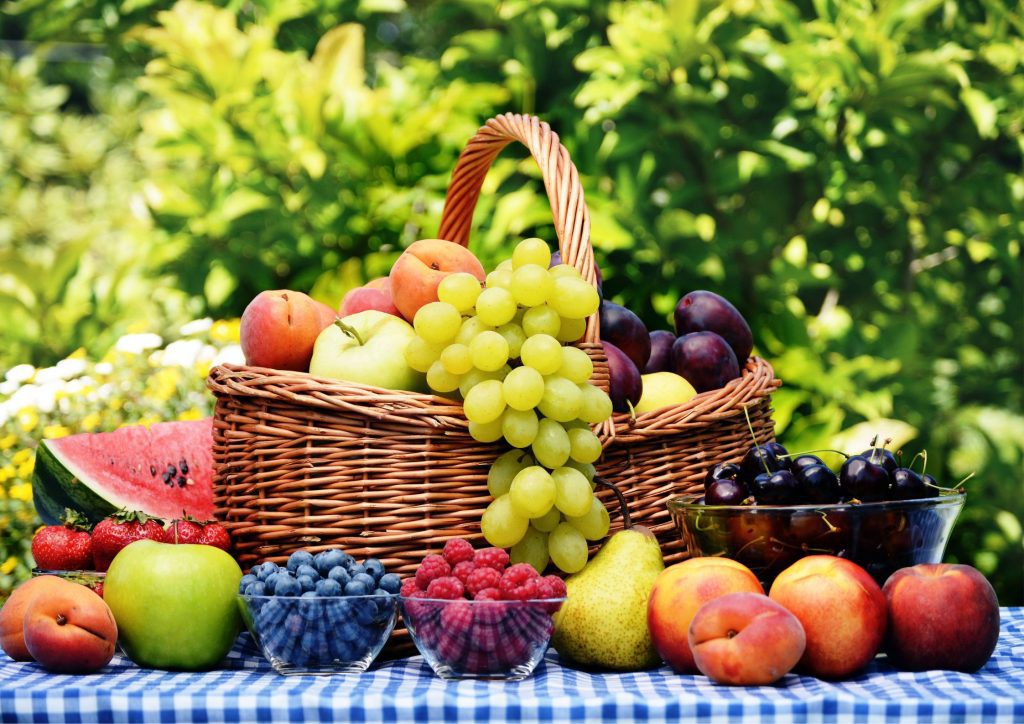
When the spring harvest in the Land of Israel reaches its culmination, the Bible commands us to observe the holiday of Shavuot.
Unlike Passover, when we happily recount the exodus of the Children of Israel from Egypt or Sukkot (Feast of Tabernacles), when we joyfully remember our miraculous journey through the wilderness for 40 years, our celebration on Shavuot is largely connected to the soil of the Land of Israel!

In Exodus 34:22, Shavuot is defined as the “Festival of Weeks,” marking “the first fruits of the wheat harvest.”
Likewise, in Numbers 28:26 the holiday is referred to as “The Day of the First Fruits” when a new meal offering was brought before God. After counting seven full weeks from the “morrow of the rest day,” the second day of Passover, Israel was commanded to bring a “new meal offering” consisting of two loaves of bread baked from the season’s first crop of grain (Leviticus 23:15-21).
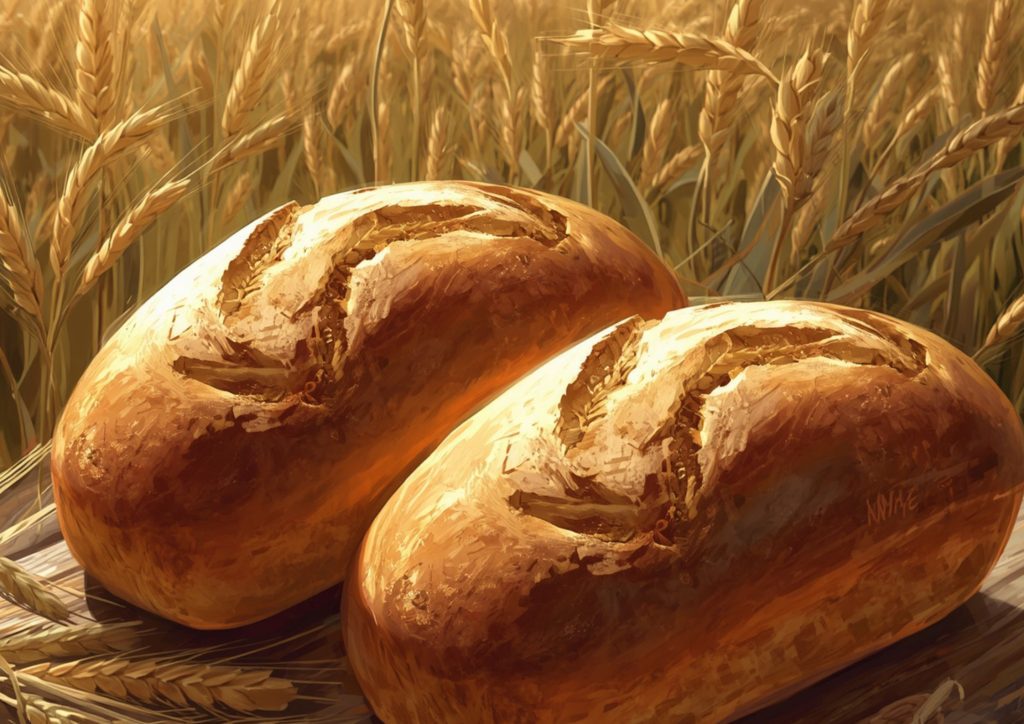
With the first fruits serving as visible evidence that what had once been planted in faith had now emerged into life and blessing, Shavuot is much more than an agricultural festival. It is a celebration of new beginnings, renewed blessings and the unfolding of God’s promises to the People of Israel in the Land of Israel.
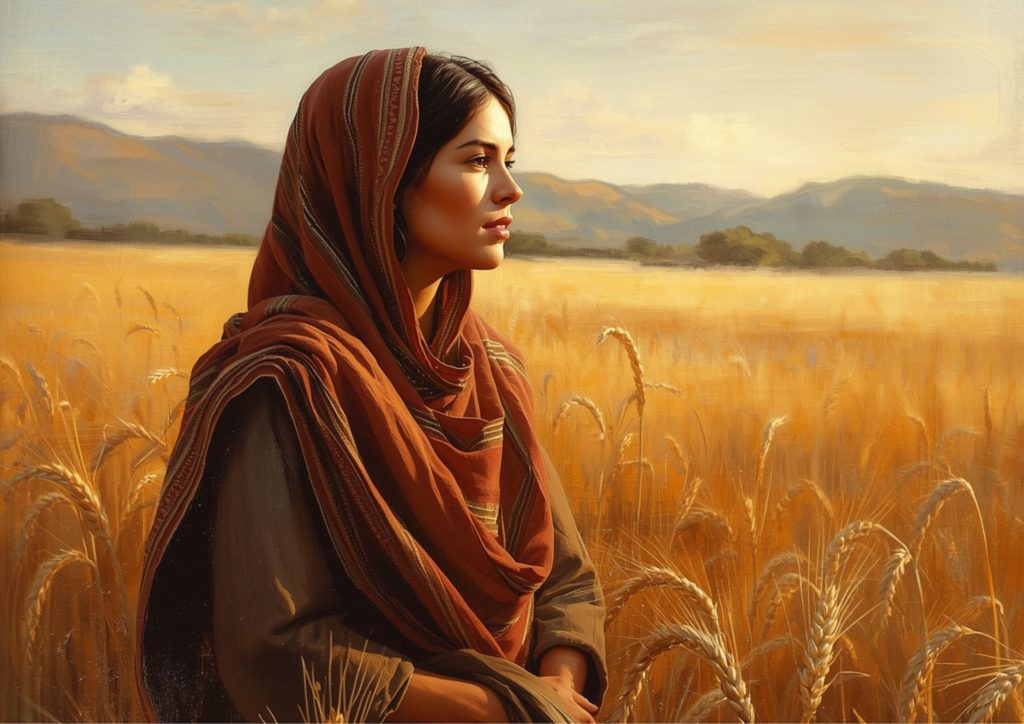
The central character of the Book of Ruth, which is publicly read in every synagogue on the holiday of Shavuot, embodied the very spirit of “first fruits” and new beginnings.
Originally a Moabite woman from outside the nation of Israel, Ruth left behind her past, her homeland and everything she was familiar with in order to cling faithfully to her mother-in-law Naomi’s people and God. Ruth’s journey began in painful loss and much uncertainty, yet through humility, devotion and faithfulness, Ruth merited to become part of the nation of Israel.
Notably, the Book of Ruth takes place during the harvest season, amid the gathering of grain in the fields of Bethlehem. Out of one of those fields, the seeds of redemption were planted, leading to the wealthy landowner Boaz ultimately redeeming and marrying the widow Ruth. From that matrimony, Ruth gave birth to Obed, the grandfather of King David and a foundational ancestor of the Davidic dynasty from which the Messianic redemption was destined to sprout forth!
To this day, Shavuot reminds us that God is the Master of new fruits and beginnings. May we all follow Ruth’s example, and merit, through unwavering faith in and loyalty to God, to witness new fruits, new blessings and new redemptive beginnings!