
by Meira Weber
March 24, 2020
Cooking for Passover is a bit like preparing for Christmas dinner, except that it’s three Christmas dinners in a row, no bread is allowed, and the whole extended family has turned out to attend! Four- and five-course meals are standard – matzah with salads, fish, soup, chicken and meat, dessert – even among the poorest homes. But it isn’t really the staggering amount of food that makes the holiday so difficult to prepare for.
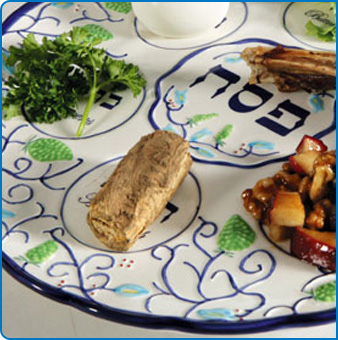
On the eight-day-long holiday of Passover, it is forbidden to eat any form of leavened grain product, especially bread. It’s difficult enough cooking consecutive meals for over ten people, but this is made even more difficult by the exclusion of nearly all grain products. Because we also can’t use ingredients or tools that may have come into contact with bread or grain at some point, we also need an entirely separate set of spices, cookware, cutlery, dishes, and staple Passover foods like matzah, potatoes, and eggs. As you can imagine, the holiday can get quite expensive, very quickly.
I remember the moment when my husband and I decided we wanted to host some meals for friends over the Passover holiday. I was sitting at our secondhand dining room table in our cramped basement apartment, and I ran a pen down the shopping list of “Kosher for Passover” food I’d put together. This would be our first Passover together as a married couple, so we were both determined to do it right.
“Are you sure that’s all we need?” My husband asked doubtfully as he glanced over my list. “One box of matzah might not be enough. You know that the stores can run out really quickly, and what if we need to buy more later on?”
“You’re right,” I realized, and mentally added another box to our list. Stores were known to run out of Passover goods, so we would also need to shop early, in bulk.
When we finally did get to the supermarket, I was shocked at the sheer volume of food some of these families needed to buy. Parents crowded the aisles with multiple shopping carts piled high with food for their six, seven, eight children, food that they couldn’t afford. At checkout, the cashiers automatically asked each customer how many payments they would like to make on their grocery bill, as it was expected that no one could actually afford the food that was necessary for the holiday.
No one was buying an excessive number of snacks or sweets or “extras.” These were basic needs, the staples – canola oil. Matzah. Fruits, vegetables, chicken, milk, eggs. Sacks of potato flour, the most common substitute for grain flours. Wine or grape juice for the Kiddush. There was no excess spending here, no gigantic splurge – just the sky-high cost of preparing for a demanding holiday.
The image of those shopping carts is still seared into my mind. Thank God, my husband and I are only two people, so our costs for Passover food are high but not exorbitant. But we are the lucky ones. There are so many people here who already cannot afford to feed their children, and now must provide an entirely new diet for just one week.

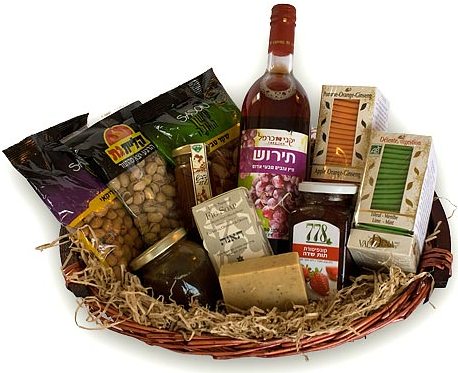
And then there is someone like you, someone who can swoop in and save them. Food parcels for the holidays are sent out to low-income families in Samaria every year, donated by Christians exactly like you, and because of those parcels, children can eat and parents can breathe easier on Passover. Not being able to feed your children is one of a parent’s worst fears; but every year, you save them from that fear.
This year, in addition to these annual Passover challenges, there is the added worry because of the coronavirus crisis. We have no idea how we are going to buy our food for the holiday – with entrance to supermarkets limited to small numbers at a time, and online shopping encouraged, the costs and complexity of food shopping are increasing. And with so many people out of work, and more getting laid off with each passing day, the number of families that need our help has skyrocketed. These food parcels are not just a help, they are absolutely vital.
Donate today to help out a needy family in their time of need.
The form is not published.