by Sondra Oster Baras
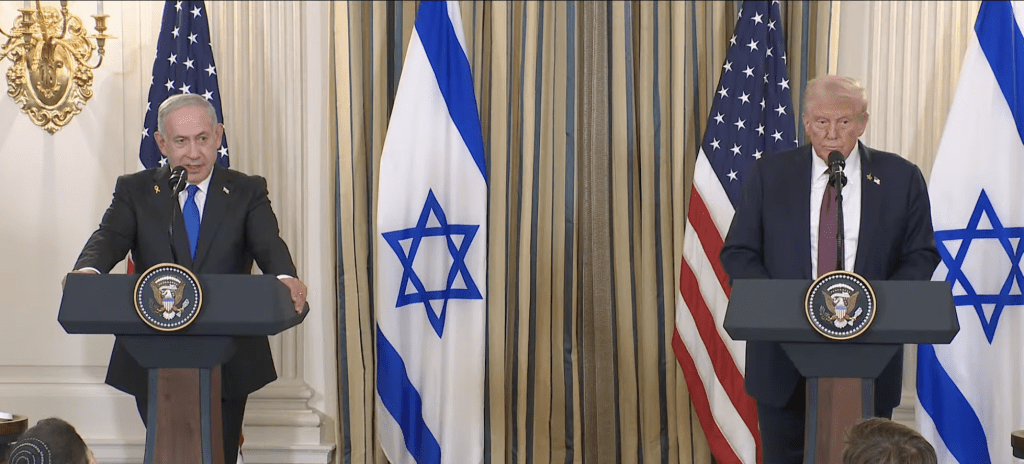
Two years ago, on the holiday of Simchat Torah, Hamas invaded Israel, massacred civilians and initiated a nightmare from which we have not yet recovered. This year, on the eve of Simchat Torah, the Hamas hostage deal came into effect and we welcomed back the 20 remaining hostages that survived their kidnapping ordeal. It was a day of great rejoicing as President Trump arrived in Israel to welcome the hostages and address the Knesset. He had been extremely involved in engineering the Hamas hostage deal, together with Israeli prime minister Binyamin Netanyahu and their respective advisors. The entire country was so grateful to the US for their intensive involvement in the hostage release.
Almost immediately, however, it became clear that the Hamas hostage deal was problematic. Hamas had supposedly agreed to disarm and leave Gaza, but no one in Israel believes they will in fact do either of those things. They also agreed to return the bodies of hostages murdered by Hamas, but there was no timetable for that return. And there was provision as to who is going to enforce the agreement. Trump made it very clear on a number of occasions that Hamas could not continue to exist in any form and threatened that if they did not disarm voluntarily, they would be disarmed by force. But again, there was no explicit provision as to who was going to do this.
Not surprisingly, within hours of the return of the live hostages, Hamas breached the agreement. At the time of the hostage release, there were 28 bodies still in Hamas control, of which Hamas had possession of at least 25 of them. But rather than return all of the bodies at once, as they had committed, they have been returning them in dribs and drabs. There are still 13 hostage bodies in the hands of Hamas, a clear breach of the agreement.
But there is much worse. With the withdrawal of the Israeli Army to a perimeter line that leaves the IDF in control of approximately half of Gaza, Hamas has emerged from its tunnels to retake control of the other half. They are rounding up their perceived opponents and assassinating them in the city squares. They are threatening and killing Gazans at will, sending a clear message that they are back to stay. They have encroached on IDF territory, have launched attacks against IDF soldiers and killed two Israeli soldiers, all in the two weeks since the so-called cease-fire.
When Israel has attempted to respond at a level that would create a deterrent effect on Hamas, they have been told by President Trump to stop. There is broad Israeli consensus that Hamas is testing our resolve, that a powerful response now is critical to prevent Hamas from threatening Israel once again. We must respond disproportionately to every breach, but this approach seems foreign to the US.
In the Middle East, honor and shame play a critical role in dealing with enemies and friends alike. When Israel attacked Hamas leaders who were being hosted and protected in Qatar, even though that attack did not succeed in killing the intended targets, it did send a powerful message not only to Qatar but to the entire Middle East: No one is immune to Israel’s military. We will hunt out our enemies wherever they are. Many believe that the reason the Hamas hostage deal went forward was because of the deterrent effect of this attack.
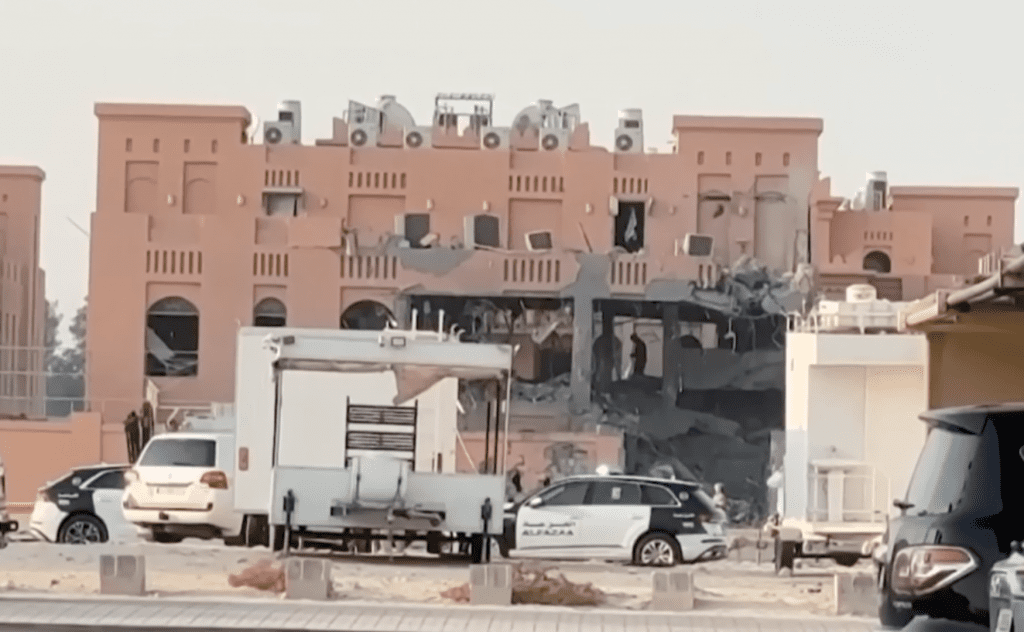
Understandably, Qatar was furious at Israel. But President Trump forced Netanyahu to apologize to the Qatari leader. While gentlemen’s apologies may be totally acceptable in the west, they are a huge sign of weakness in the Middle East. While Trump probably believed he was doing what needed to be done in order to produce a hostage deal, and that may be true, what he probably did not take into account was the long-term damage that such an apology would sustain.
And then came the sovereignty issue. During Trump’s first term, he expressed clear support for at least limited Israeli sovereignty in Judea and Samaria. But as Trump became more excited about what he sees as real prospects for peace in the Middle East, he voiced strong opposition to any sovereignty moves. Trump has announced that he wouldn’t “allow” Israel to annex Judea and Samaria. That language is more appropriate for a parent speaking about their small child than the president of one country speaking about a separate sovereign state. It was insulting.
The Israeli Knesset voted to begin the sovereignty process in a clear snub of Trump’s position and despite Netanyahu’s efforts to prevent the vote. There are many who have been critical of this Knesset move, worried that it may backfire against Israel. The US under Trump is the strongest ally Israel has ever had. But, at the end of the day, Israel is not in North America. It is in the Middle East, and sometimes there are statements that need to be made in the Middle East that will have significance to Middle Eastern ears, even if they are not popular in the West.
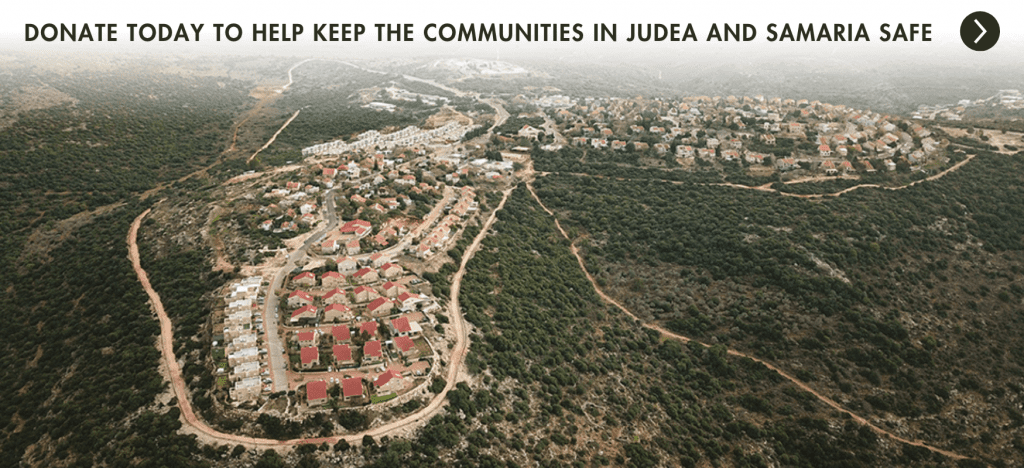
And one more thing. The hostage release agreement with Hamas included the release of more than 2000 Palestinian terrorists, including 250 serving life sentences for the cold-blooded murder of Israelis. At least 150 are now enjoying luxury hotels in Egypt as the guest of that government. But hundreds of these terrorists have been released into Judea and Samaria. These evil people are now my neighbors — and you can imagine what sort of threat that poses to us here in the heart of Biblical Israel.
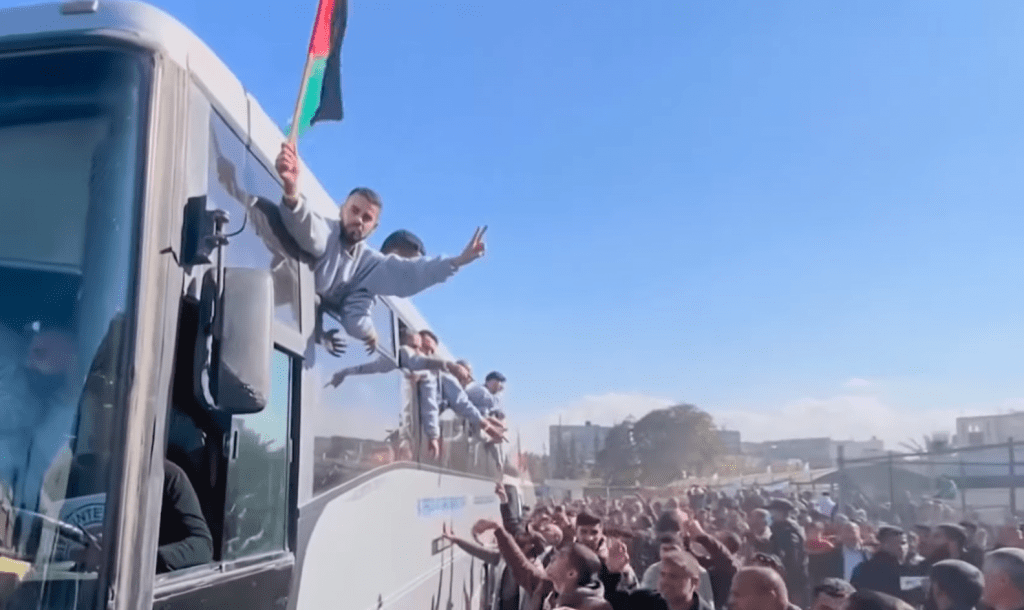
We are worried and with good reason. The IDF will be keeping eyes on these terrorists but the more Hamas in Gaza is able to regroup, the more dangerous the terrorists in Judea and Samaria will become. Hamas have made it clear that they will continue to murder as many Jews as possible.
We must ensure the safety and security of our people following the Hamas hostage deal. We must ensure that Hamas is driven from Gaza and that Gaza is totally weapon-free. And we must ensure that the people of Judea and Samaria are safe from the evil people in our midst. We cannot control government decisions, although we must all exert influence on our government leaders to attempt a better outcome. But we can all do our part to ensure that the people of Judea and Samaria have the security equipment they need to protect themselves. Please do whatever you can to help!