
If you are following the news coming out of Israel, you probably know that the country is heading once again toward another election. And once again, one of the central issues dividing Israeli society is the question of military service and the drafting of men in Israel’s ultra-Orthodox community.
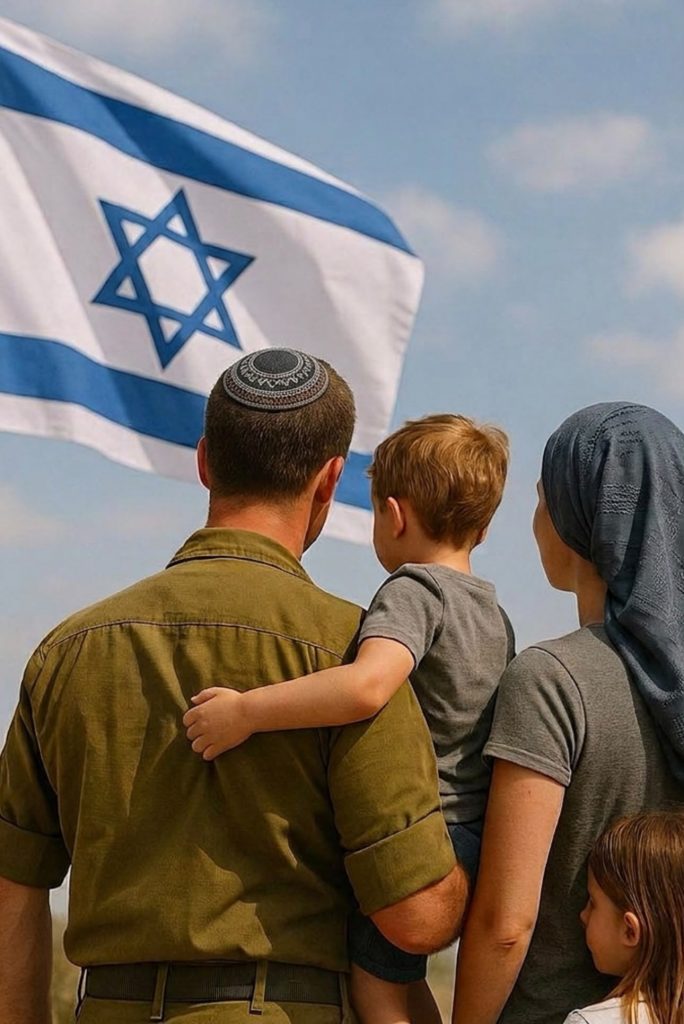
Usually, I do not comment on Israel’s internal politics. Our mission at CFOIC Heartland has always been clear. We are doing God’s work in Judea and Samaria, the Biblical Heartland. Our focus is on building bridges, strengthening communities, standing for Biblical truth, and helping the People of Israel in practical ways.
So why am I bringing this up now? Because more and more of the projects reaching our desk today from communities all over the Biblical Heartland are no longer primarily focusing on security, emergency aid, or rebuilding communities but rather on resilience, trauma, exhaustion, families falling apart under pressure, and reservists who have been carrying the burden of war for almost three years.
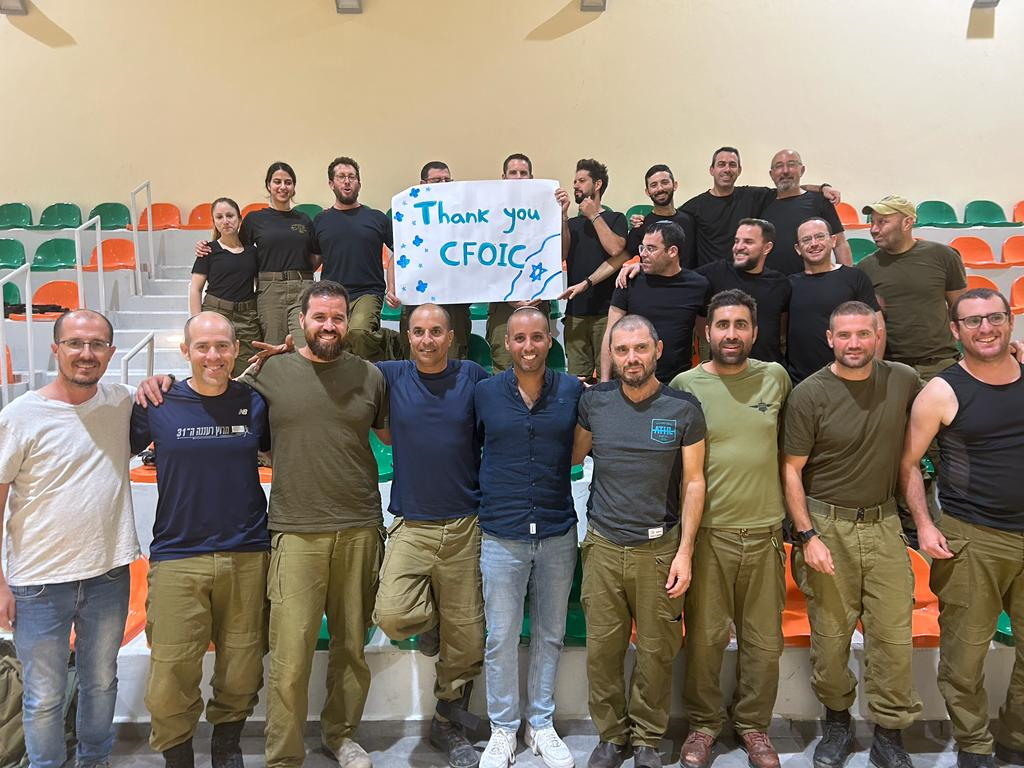
Since October 7th, 2023, the average Israeli reservist has served hundreds of days. Hundreds. These are fathers, husbands, business owners, students, and young men who repeatedly and periodically leave everyone they love and everything they have behind again and again. They continue to fight bravely and heroically against Iran’s terrorist proxies in Gaza. In Lebanon. In Syria. And of course, in Judea and Samaria. They are protecting Israeli communities all the while trying to hold their own families together back home.
The emotional pressure on these reservists is enormous. And many of them are now saying openly something Israelis once tried very hard not to say publicly: when they look around and feel that entire sectors of society are not sharing the burden of military service, the pain becomes even deeper. Their frustration becomes heavier. Their sense of unity begins to crack.
This is not just a political issue anymore. This is affecting the mental health of an entire generation of Israeli soldiers and families. Children are asking at night, “Where is Dad?” Wives by themselves, are managing their homes and caring for their children alone for months at a time. Businesses are collapsing. Marriages are under pressure. And many reservists are quietly battling depression, trauma, and exhaustion.
We of course, without a measure of doubt, deeply respect the value of Torah study and the spiritual heritage of the Jewish people. But at the same time, we cannot ignore the reality unfolding before our eyes. For the first time in many years, these tensions are breaking old boundaries inside Israeli society.
But this newsletter is NOT about placing blame on anyone. It is about the need for us as individuals, as a nation, and as friends of the People of Israel to take responsibility.
As supporters of Israel, we may not be able to solve Israel’s internal political debates. But we can decide what kind of people we will be at this moment. We can stand with the soldiers. We can stand with the reservists. We can stand with wounded veterans. We can stand with traumatized families. We can stand with those carrying the burden day after day.
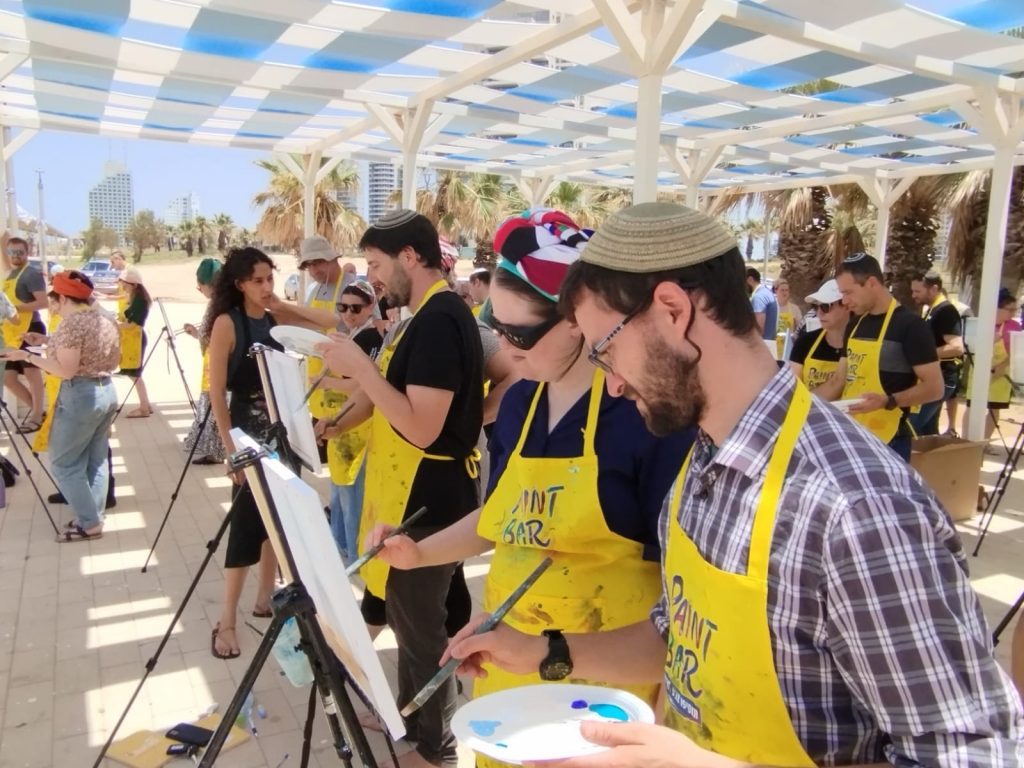
So, while Israel wrestles with difficult internal political matter, let us continue doing everything possible to strengthen the people who are defending this land and protecting innocent lives. Let us let them know: We see you. We honor your sacrifice. And we stand with you.
Blessings from Judea and Samaria,
Shmuel Junger
Executive Director