For many months, Shamai, a hardworking breadwinner from the Hebron Hills, has been serving as a national emergency medical responder for hours on end. Yet while Shamai was busy helping so many others in their darkest moments, his own wife was quietly struggling with the emotional burden of prolonged uncertainty, fear, and separation. The weight of her anxiety began to take a profound toll on her well-being.
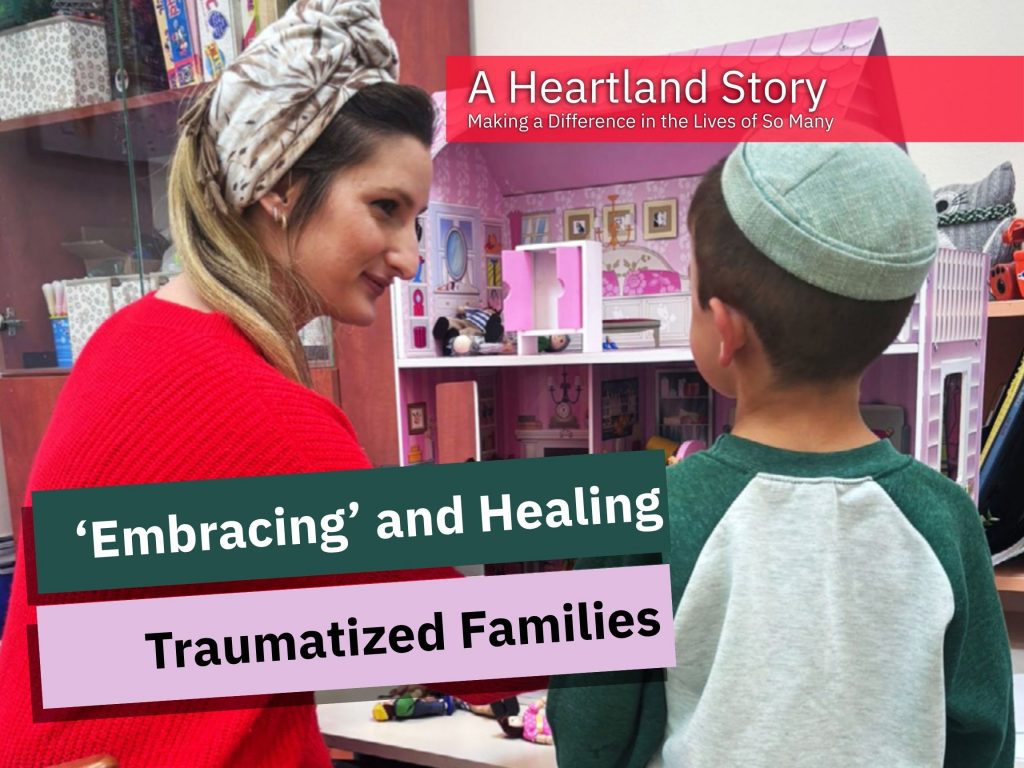
Shamai watched helplessly as his wife’s mental and psychological state deteriorated. Luckily, several months ago, the family was introduced to “Project Embracing,” a specialized therapeutic initiative launched by the Hebron Hills Regional Council to help pioneers throughout the region, from toddlerhood to adulthood, heal from the emotional trauma they have endured over the past few years.
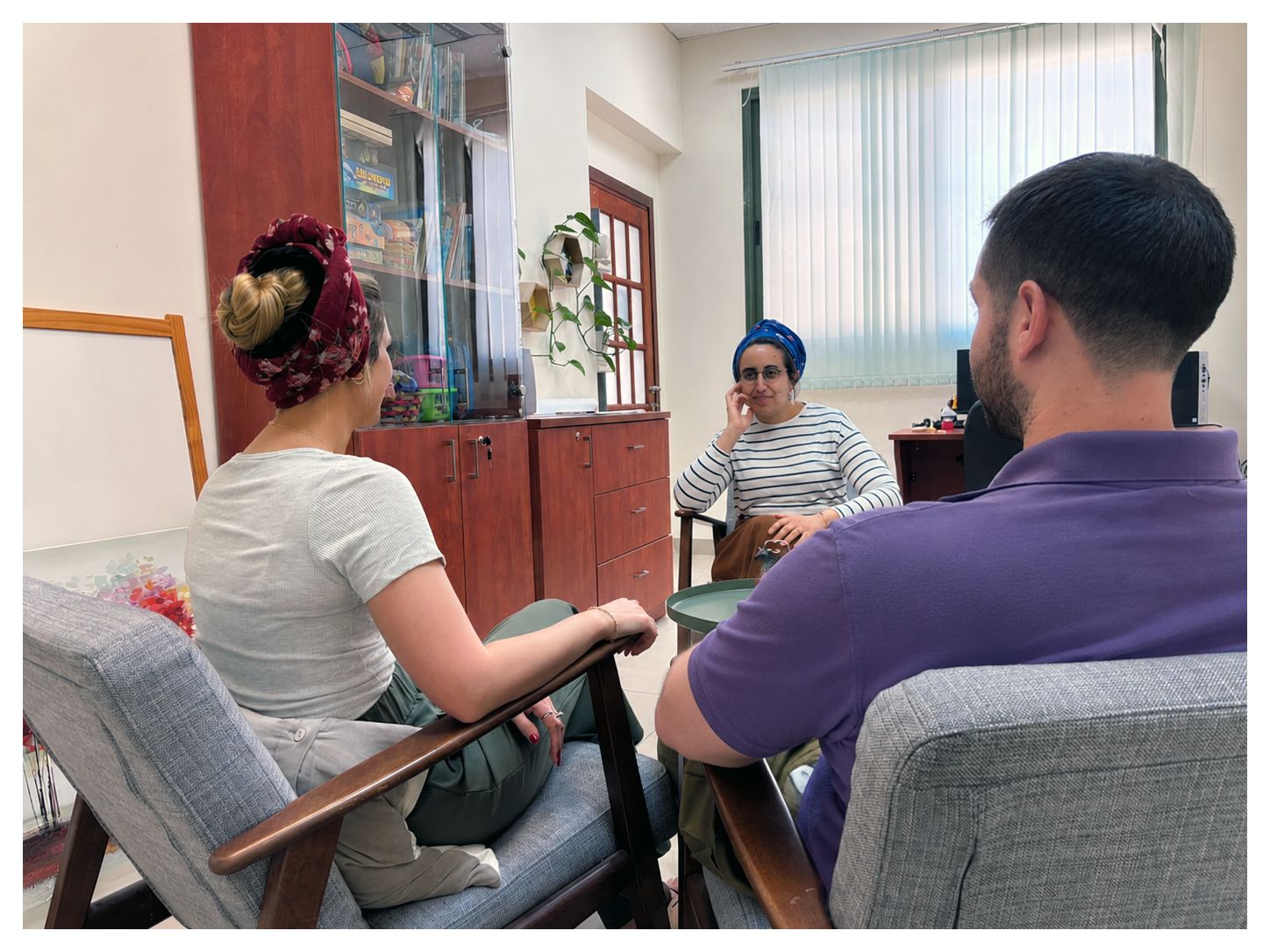
Through a series of sessions, Shamai’s wife began the difficult but necessary journey toward healing. Slowly, the anxiety and emotional distress that had once consumed her gave way to renewed strength, stability, and hope. And as her condition improved, so too did the well-being of Shamai’s entire family.
“At Project Embracing, we were fortunate to receive for my wife, the professional and sensitive therapy with a talented therapist who helped lead my wife down the path toward recovery,” Shamai related. “From the bottom of my heart, I thank everyone involved in this effort!”
Sadly, the experience of Shamai and his wife was far from unique in the Biblical Heartland’s Hebron Hills. They are only one of many pioneering families in the region who have struggled with anxiety and emotional trauma, particularly over the past three years.
Moreover, even men in the region have sought emotional and therapeutic support at unusually high rates.

“We noticed, most unexpectedly, even many men reached out to us for help, which was very atypical and unexpected,” Shlomit Copeland, the manager of a therapeutic unit within Project Embracing, noted.
Moreover, no other cluster of communities in Israel has been tested and challenged over the past few years quite like the Hebron Hills. Immediately following the brutal attacks on October 7, 2023, security tensions in the region spiked, leading countless families in the region on a downward spiral of emotional instability. Many wives and children fell into states of depression and, in far too many cases, engaged in acts of self-harm. For a region on Israel’s periphery like the Hebron Hills, this troubling development imposed a crushing burden on local communities.
“Having so many households in dire need of therapeutic treatment necessarily places an insurmountable strain on our resources,” Shlomit stressed. Vouchers from the Israeli government cover just a portion of the cost of treatment and only for a limited number of sessions. Unfortunately, the limited amount of governmental assistance has left many participants in Project Embracing unable to cover the outstanding costs of their essential long-term treatment.
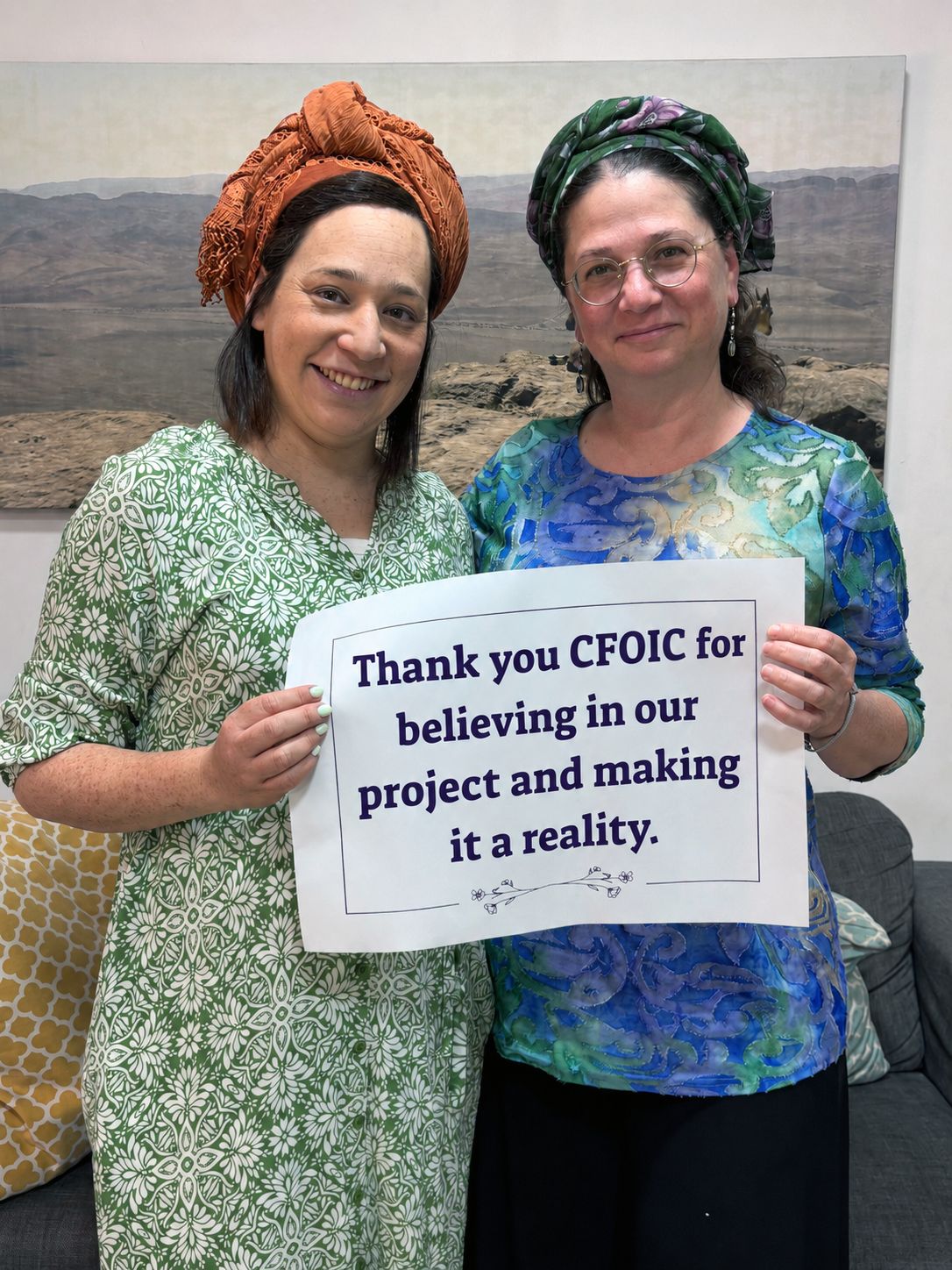
Refusing to abandon so many heartbroken and traumatized pioneering couples and families, the Hebron Hills Regional Council was desperate for additional assistance to cover the remaining treatment costs for the program’s patients. Knowing the CFOIC Heartland has faithfully supported the region’s vulnerable but determined communities, the Hebron Hills Regional Council turned to you for help, and you responded most generously! Thanks to sincere and loving friends like you, every patient currently participating in Project Embracing has received the financial support needed to cover the remainder of the cost of their treatment.

“The heartfelt contribution from CFOIC Heartland towards Project Embracing not only lifted a burden off of the families of the patients but also gave families the assurance that their loved ones would have the necessary resources to completely heal,” Shlomit noted.
CFOIC Heartland’s support for Project Embracing has also made an impact on the regional scale.
“By helping to give many families in the Hebron Hills such peace of mind, our friends at CFOIC Heartland have played a role in strengthening the resilience of our communities at large!,” Shlomit added. “Thank you from the bottom of our hearts!”