
There is a wider perspective through which we can view the moment we are living in, one that stretches back over the past fifty years. It may feel uncomfortable to do so, but it is worth asking the following questions:
Have we truly finished what we in Israel started in Iran? Has the United States achieved its objectives? Or are we simply between different rounds of a longer confrontation with Iran?
Here are a few thoughts:
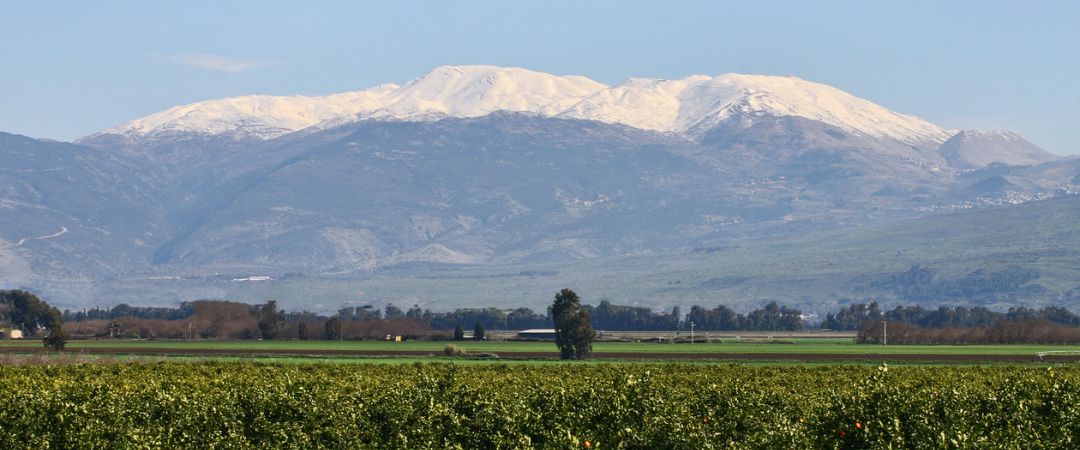
In May 1974, roughly seven months after the Yom Kippur War, a relatively small but violent incident took place on Mount Hermon. At the time, it was seen as just another clash in the then-ongoing state of conflict with Syria.
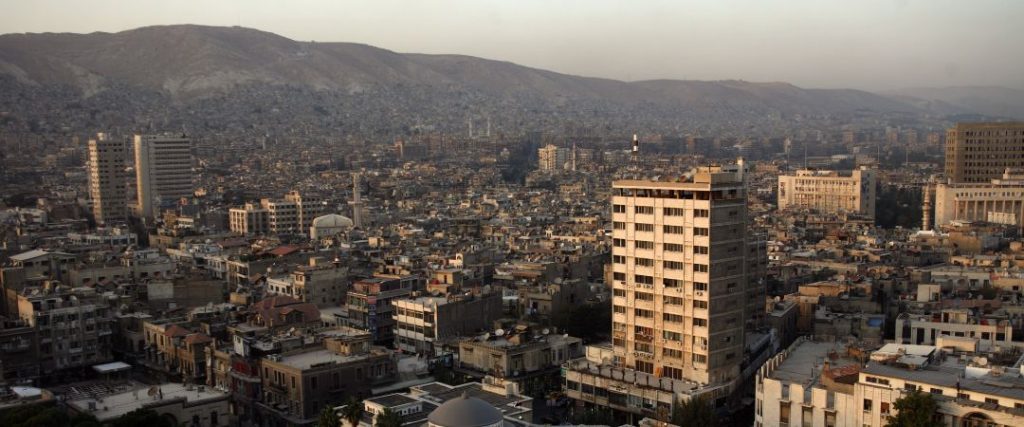
Shortly afterward, Israel and Syria signed a Separation of Forces Agreement. It was widely viewed as fragile and temporary, and few believed it would endure. Yet in hindsight, that moment marked the beginning of nearly fifty years of quiet along the Syrian front.
Only decades later did it become clear that what seemed like a minor episode, followed by a temporary arrangement, was, in fact, a historic turning point. History often works this way. In real time, we rarely recognize when a war truly ends or when a new era begins. What appears merely temporary may, in fact, last for decades, while what seems decisive may prove to be only the beginning of something much longer.
In 1978, Operation Litani, initiated by Israel to destroy bases belonging to the Palestine Liberation Organization south of the Litani River in Lebanon, was perceived as a swift and successful campaign. Within days, Israel achieved significant military gains, and it felt like a contained and effective operation. But in retrospect, it marked the beginning of a prolonged and complex conflict in Lebanon, one that would continue, in different forms, for several more decades.

These two contrasting examples, one of unexpected quiet and the other of unanticipated, enduring conflict, lead to the same conclusion: we cannot fully understand the meaning and significance of events while we are in the middle of experiencing them.
And this brings us to the present moment.
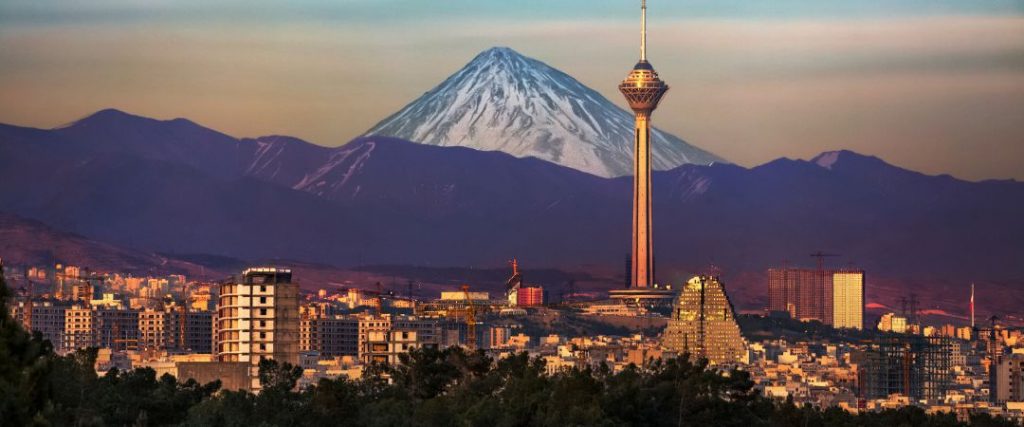
Are we witnessing the beginning of a transformational change vis-à-vis Iran? Or are we in the middle of a longer and more complicated phase that has yet to fully unfold? It may well be that, in time, the period we are going through will be seen as the gradual weakening of the Islamic Republic of Iran, leading to a reduced, or even eliminated, threat over many years. It is, of course, also possible that we are only seeing a pause, and that tensions, God forbid, will erupt again, with another round of conflict resuming on several different fronts.
If we are honest with ourselves, none of us knows what will happen. In times such as these, rather than trying to predict the future with certainty, it is far more meaningful to focus on the present and to ask the following questions instead:
Are we acting as we should?
Are we making the necessary decisions with responsibility and clarity?
The outcomes are not fully in our hands. History unfolds over time, often revealing the significance of events over years, decades, and sometimes even centuries. There is, necessarily, a larger process at work, one that extends beyond immediate analysis or prediction. Not knowing what the future holds, we must accept, with humility and faith, that history is ultimately guided by the Almighty. While doing our part to the best of our ability, everything will unfold as it is meant to, in God’s hands.