Ki Tavo | Deuteronomy 26:1 – 29:8
Portion Re’eh details the covenant between the Children of Israel and God. Importantly, this portion mentions mentions the “place that God chose.” What is this place? Jerusalem of course!

Portion Re’eh details the covenant between the Children of Israel and God. Importantly, this portion mentions mentions the “place that God chose.” What is this place? Jerusalem of course!
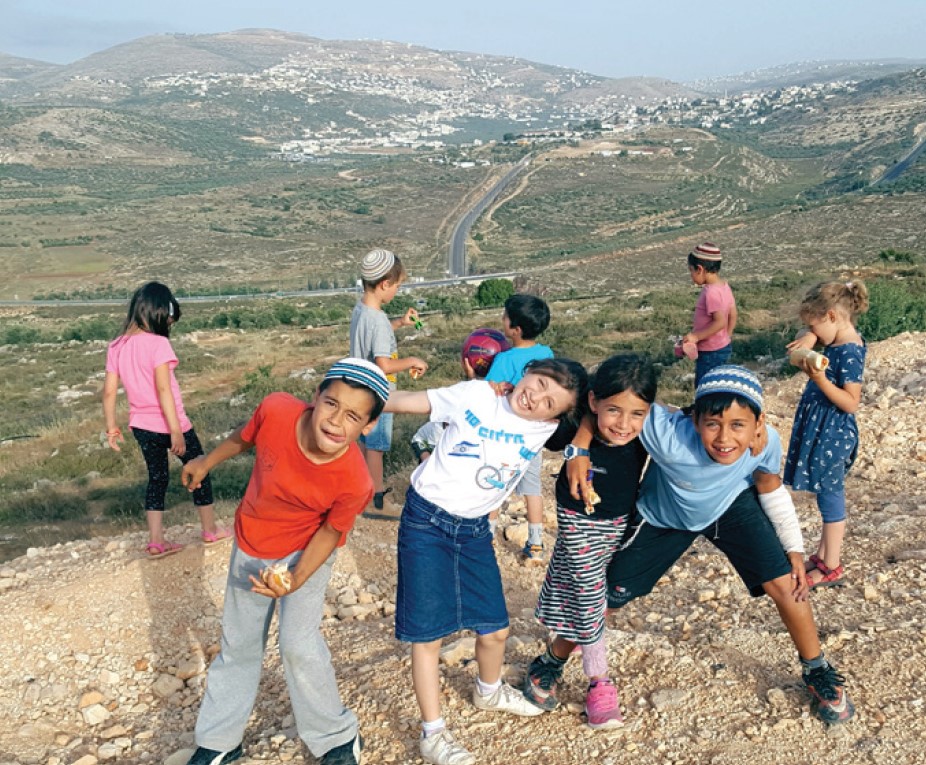
The hilltops of Judea, the very landscapes where the future King David once fled from King Saul and where the tribes of Judah and Simeon, along with the Levites, lived during the days of the Temple. What we saw was nothing less than a miracle!
Portion Re’eh details the covenant between the Children of Israel and God. Importantly, this portion mentions mentions the “place that God chose.” What is this place? Jerusalem of course!
Are we still at war? I have been writing this column “War Diaries” for over two years now and for the most part have documented the feelings, motivations and realities that we are facing in Israel since that terrible day on 7 October 2023.
Portion Re’eh details the covenant between the Children of Israel and God. Importantly, this portion mentions mentions the “place that God chose.” What is this place? Jerusalem of course!
When we at CFOIC Heartland speak about the people of Judea and Samaria, we often use the word “resilience.”
America, learn from our history. Refuse the leftist utopia promises. Guard your freedom. Stand with Israel. Stand with the Iranian church ― because the same God who is emptying the mosques of Iran is able to awaken America’s church.
Portion Re’eh details the covenant between the Children of Israel and God. Importantly, this portion mentions mentions the “place that God chose.” What is this place? Jerusalem of course!

For over 3,700 years, Beit-El has stood as one of the most revered locations in the history of the Children of Israel and the Land of Israel.

This week’s reflection on Parshat Eikev explores one of life’s biggest questions: If God promises to reward His people, why don’t we see the “payment” for our good deeds each day?